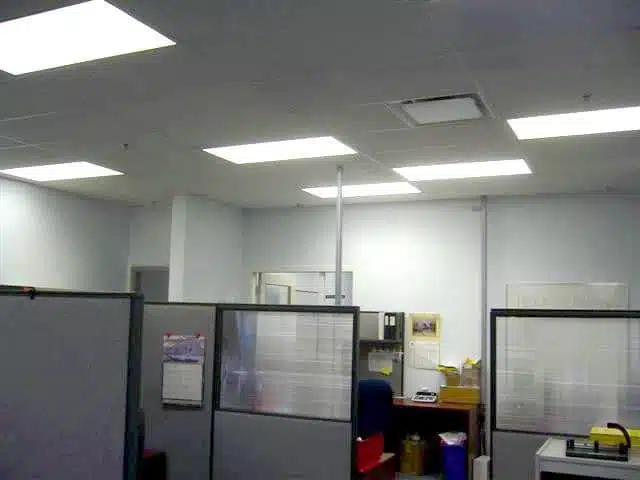
Getting the wiring and layout right can completely change how a home or business looks and functions. If your project involves multiple fixtures or a larger space, commercial lighting installation services can help ensure everything is planned and wired correctly from the start.
Good lighting does more than brighten a room. It sets the mood, highlights key features, and makes everyday tasks easier, whether you are cooking in the kitchen or working late at the office. It can also influence how a space feels to visitors, customers, or family members the moment they walk in.
In this guide, we will share professional tips to help you plan and prepare for your next project. These insights come from experienced electricians who und
erstand what it takes to get the wiring, layout, and fixtures right the first time, whether the job is for a home or a business.
Why Professional Lighting Guidance Matters
Lighting affects far more than appearance. It plays a role in safety, energy use, and how comfortable a space feels to live or work in.
Getting expert input early in the process helps avoid common issues such as:
- Fixtures placed in the wrong locations
- Overloaded circuits
- Inconsistent brightness across a room
- Wiring that does not meet current safety codes
Working with a professional from the start means these issues can be avoided entirely, rather than corrected after the fact. It also gives you access to advice on fixture types and layouts that you may not have considered on your own.
Planning Your Lighting Layout
Before any wiring begins, it helps to have a clear plan for how each room or space will be lit. A well-thought-out layout makes a big difference to both function and style, and it is far easier to plan properly at the start than to make changes once fixtures are already installed.
Assessing Your Space
Every space has different lighting needs depending on its size, purpose, and natural light levels. Lighting installation should always start with an honest look at how each room is actually used.
Questions worth considering include:
- Which activities take place in this room?
- How much natural light does it receive during the day?
- Are there specific features you want to highlight, such as artwork or architecture?
Taking the time to answer these questions before any wiring begins helps ensure the finished result actually suits how the space is used day to day.
Choosing the Right Fixture Types
Different fixtures serve different purposes, and combining them well creates a balanced, layered look.
Common fixture types include:
- Ambient lighting for overall room brightness
- Task lighting for specific activities like cooking or reading
- Accent lighting to highlight features or décor
- Outdoor lighting for pathways, entrances, and security
Choosing the right mix of fixtures is one of the most important steps in any lighting installation project, since it determines how functional and inviting a space will feel. Layering these fixture types together, rather than relying on a single light source, tends to give the most balanced and flexible result.
Popular Lighting Ideas for Homes and Businesses
Lighting needs can vary significantly between residential and commercial spaces. Understanding these differences helps you plan a project suited to your specific setting, rather than applying a generic approach to every room or building.
Residential Lighting Tips
Homeowners often look for lighting that balances comfort with style, including:
- Pendant lighting over kitchen islands or dining tables
- Dimmable switches for flexible mood lighting
- Under-cabinet lighting in kitchens
- Outdoor lighting for entertaining areas
These choices help create a warm, welcoming atmosphere while still supporting everyday household activities.
Commercial Lighting Tips
Businesses typically prioritise consistency, efficiency, and compliance, with common choices including:
- Even, bright lighting for workspaces and retail areas
- Energy efficient fixtures to reduce running costs
- Emergency and exit lighting to meet safety codes
- Signage and display lighting to attract customers
Getting these details right supports both staff productivity and a positive experience for customers or clients visiting the space.
Whether you are updating a home or a commercial space, working with an experienced Langley electrician can help you choose fixtures and layouts suited to your specific goals.
Safety Considerations to Keep in Mind
Safety should always be a top priority during any electrical project. Lighting installation involves working with wiring, circuits, and fixtures that need to be handled correctly.
Key safety considerations include:
- Ensuring circuits are not overloaded
- Using fixtures rated for their specific location, such as damp or outdoor areas
- Following local building codes and permit requirements
- Having work inspected where required
Taking these precautions seriously helps protect your property and everyone who uses the space. It also helps avoid costly rework if an installation later fails to meet code.
Common Mistakes to Avoid
Even well-planned projects can run into avoidable issues. Being aware of common mistakes can help you plan more effectively from the start.
Some frequent mistakes include:
- Underestimating how many fixtures a space actually needs
- Choosing fixtures that do not suit the room’s purpose
- Skipping dimmer switches, which limit flexibility later on
- Overlooking energy efficient options that save on running costs
Avoiding these pitfalls early on leads to a smoother project and a better result overall. A short planning conversation with a professional before work begins can catch most of these issues before they become a problem.
Why Local Expertise Matters
Working with electricians familiar with the Fraser Valley region brings added benefits to any lighting project. Local knowledge often means fewer surprises and a smoother process from start to finish, since the team already understands what tends to work well in the area.
A locally experienced team will typically understand:
- Regional building codes and permit requirements
- Common electrical layouts in older and newer properties
- The specific needs of both residential and commercial clients across the area
This local insight often makes a noticeable difference in how efficiently a lighting installation project comes together, since fewer surprises tend to come up along the way.
Preparing for Your Installation Appointment
A little preparation before your electrician arrives can help the whole project run more smoothly. Knowing what to expect also makes it easier to communicate your goals clearly.
Helpful steps to take beforehand include:
- Making a list of rooms or areas you want addressed
- Gathering any inspiration photos or examples of styles you like
- Clearing the work area so fixtures and wiring are easy to access
- Noting any existing issues, such as flickering lights or tripped breakers
Arriving prepared with this information helps your electrician plan the job efficiently and reduces the chance of delays once work begins.
Energy Efficiency and Modern Fixture Options
Energy efficiency has become an important factor for many homeowners and business owners planning an upgrade. Choosing the right fixtures now can lead to noticeable savings over time.
Options worth considering include:
- LED fixtures, which use less energy and last longer than traditional bulbs
- Motion-activated lighting for entryways or outdoor areas
- Smart lighting systems that allow control from a phone or tablet
- Timers for outdoor or security lighting
These options are increasingly popular because they combine convenience with lower running costs, making them a practical addition to almost any project.
Conclusion
Thoughtful planning is at the heart of every successful electrical project. From assessing your space to choosing the right fixtures and following proper safety practices, each step plays a role in the final result.
Taking a structured approach, rather than making decisions room by room as issues come up, tends to lead to a more cohesive and satisfying outcome overall.
Whether you are updating a single room or planning a larger commercial project, taking the time to plan your lighting installation properly will pay off in both function and style. If you are ready to get started, contact us now to discuss your project with an experienced local team.
Frequently Asked Questions
How long does a typical installation project take?
This depends on the size and complexity of the project, ranging from a single room update to a full commercial fit-out. A professional electrician can usually give you a clearer picture once they understand the scope of the work.
Do I need a permit for this kind of electrical work?
Some projects require permits, particularly larger commercial installations or significant electrical upgrades. A professional electrician can confirm what applies to your specific project and help manage any required inspections.
Can I combine different types of lighting in one room?
Yes. Combining ambient, task, and accent lighting is a common approach that creates a balanced, functional space. Many homeowners find this layered approach far more flexible than relying on a single light source.
Is it worth upgrading to energy efficient lighting?
Many homeowners and businesses choose energy efficient fixtures for their long-term benefits, including lower running costs and reduced maintenance. Over time, these savings can make a meaningful difference to overall running costs.

