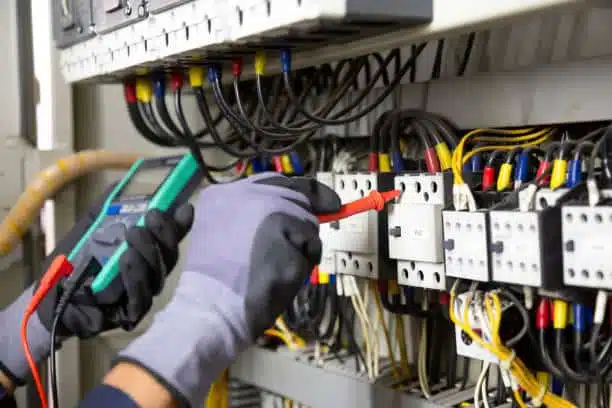
Understanding the cost factors behind replacing an electrical panel helps homeowners plan ahead and make informed decisions. If you are considering electrical panel replacement in Langley, knowing what influences the overall investment can make the process feel much less overwhelming. This guide breaks down the key factors that shape the cost of this important home upgrade.
An electrical panel is one of the most important components of your home’s electrical system, so understanding what drives its replacement cost is worth the time. From panel size to labor requirements, several elements come into play.
Why Electrical Panel Replacement Costs Vary
No two homes are exactly alike, which is why replacement costs can differ significantly from one project to the next. Several factors work together to determine the final scope of work.
Because every electrical panel serves a different home with unique wiring, layout, and power demands, the complexity of the replacement can vary widely. A newer home with simple wiring may require less work than an older home with outdated systems.
Additionally, local permitting requirements and inspection processes can influence how a project unfolds, since every jurisdiction has its own standards for electrical upgrades.
Key Factors That Influence the Cost
Several core elements determine how much work goes into replacing an electrical panel. Understanding these factors helps set realistic expectations before the project begins.
Panel Size and Capacity
The size and amperage capacity of your electrical panel play a major role in the scope of the replacement. Larger homes with higher power demands often require panels with greater capacity.
Since a larger panel involves more circuits and connections, the electrical panel replacement process can take more time and require additional materials compared to a smaller upgrade.
Age and Condition of Your Home’s Wiring
Older homes often have wiring systems that were not designed for modern electrical demands. This can add complexity to the replacement process.
If outdated wiring needs to be addressed alongside the panel itself, the project may involve additional steps to bring the system up to current standards.
Signs You May Need a New Electrical Panel
Recognizing early warning signs can help you address issues before they become larger problems. Being proactive often leads to a smoother replacement experience.
Watch for the following signs:
- Frequent tripped breakers or blown fuses
- Flickering or dimming lights throughout the home
- A panel that feels warm to the touch
- Visible rust, scorch marks, or corrosion
- Difficulty powering modern appliances or devices
If you notice any of these signs, it may be time to have your electrical panel evaluated by a professional.
What’s Involved in a Panel Replacement
A panel replacement involves several coordinated steps to ensure safety and proper function. Understanding this process helps you know what to expect.
The general process typically includes:
- An initial assessment of your current electrical system
- Selecting the right panel size for your home’s needs
- Disconnecting power safely before removal
- Installing the new panel and reconnecting circuits
- Testing the system and completing required inspections
Each step plays an important role in ensuring your new electrical panel functions safely and reliably.
Why Hiring a Licensed Electrician Matters
Working with a licensed professional ensures your electrical panel replacement meets safety codes and functions properly. This step should never be skipped, regardless of the scope of the project.
Experienced electricians in Langley BC bring the training and local knowledge needed to handle panel replacements safely and efficiently. Their familiarity with regional codes and inspection requirements helps the process move forward smoothly.
Furthermore, licensed electricians can identify potential issues early, such as outdated wiring or capacity concerns, which helps prevent complications down the road.
How to Prepare for a Panel Replacement
Preparing ahead of time can help the replacement process go more smoothly. A few simple steps make a noticeable difference.
Consider these preparation tips:
- Clear the area around your current panel for easy access
- Ask your electrician about any expected power interruptions
- Keep important documents or permits easily accessible
- Communicate any specific concerns about your home’s wiring
- Plan for a walkthrough once the project is complete
Taking these steps ahead of time helps ensure a more efficient and organized replacement experience.
Final Thoughts
Replacing an electrical panel involves several factors, from panel size to the condition of your home’s existing wiring. Understanding these elements helps set realistic expectations and ensures the process goes smoothly from start to finish. Recognizing early warning signs and working with a qualified professional are two of the best ways to protect your home’s electrical panel for years to come. If you are ready to move forward with an assessment or replacement, contact us now to get started.
Frequently Asked Questions
How do I know if my electrical panel needs to be replaced?
Signs like frequent tripped breakers, flickering lights, or a warm panel often indicate it is time for an inspection.
Does the size of my home affect panel replacement costs?
Yes, larger homes with higher power demands typically require panels with greater capacity, which can affect the scope of work.
Is a permit required for electrical panel replacement?
In most areas, yes. Local regulations often require permits and inspections to ensure the work meets safety standards.
How long does an electrical panel typically last?
While every home is different, panels can last many years, though age and wear may eventually require an upgrade.
Should I hire a licensed electrician for this project?
Yes, licensed professionals ensure the replacement is done safely and in compliance with local electrical codes.

