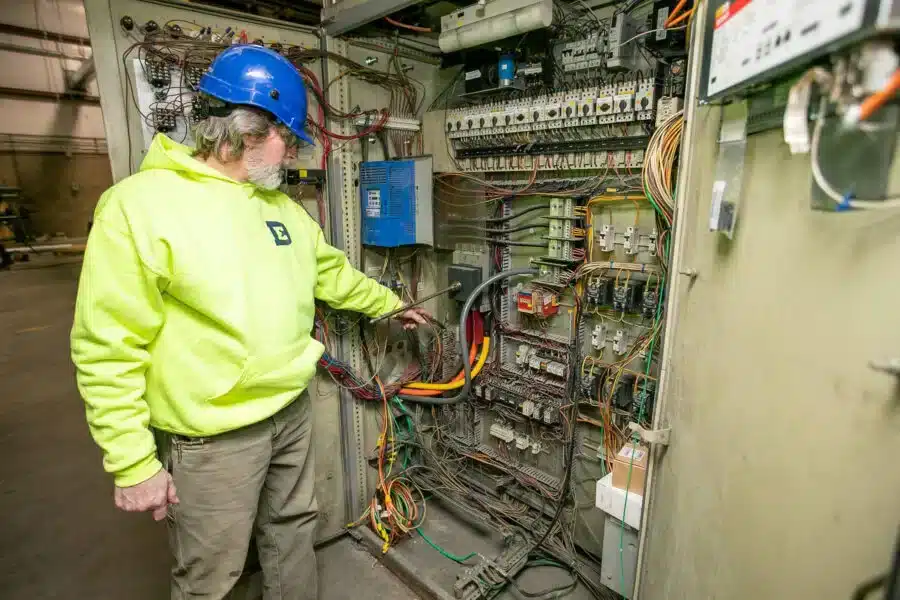
Planning ahead for an electrical panel upgrade helps homeowners across the Fraser Valley feel more confident about the process. If you are considering a breaker panel upgrade, understanding what shapes your budget can make the entire project easier to plan for. This guide walks through the factors that matter most so you know what to expect before work begins.
Older homes in particular often reach a point where the existing electrical panel can no longer keep up with modern power demands. Knowing what drives the scope of an upgrade helps you approach the project with a clear plan.
Understanding Electrical Panel Upgrades in the Fraser Valley
Homes across the Fraser Valley range from decades-old properties to newer builds, which means electrical panel needs vary widely from house to house. This regional diversity plays a big role in how upgrades are approached.
Because older homes were often built with lower electrical capacity, many homeowners find that their electrical panel simply cannot support the demands of modern appliances, home offices, or electric vehicle charging. Upgrading addresses this gap directly.
Additionally, local climate and seasonal weather patterns can influence how electrical systems age over time, which is another reason homeowners in this region often prioritize timely upgrades.
What Influences Your Budget for an Upgrade
Several factors shape how much planning and work go into an electrical panel upgrade. Understanding these elements helps you approach your budget with realistic expectations.
Home Size and Electrical Demand
Larger homes with more circuits, appliances, and electronics typically require higher-capacity panels. This affects the overall scope of the upgrade.
Since a home’s electrical panel needs to support everything from lighting to major appliances, homes with higher demand often require more extensive planning during the upgrade process.
Regional Building Codes and Permits
Every municipality within the Fraser Valley may have slightly different permitting requirements and inspection processes. These regional standards influence how the project unfolds.
Working with a professional familiar with local codes helps ensure your electrical panel upgrade meets all necessary requirements without unnecessary delays.
Common Reasons Fraser Valley Homeowners Upgrade Their Panel
Understanding why other homeowners choose to upgrade can help you determine if now is the right time for your own project.
Common reasons include:
- Adding a home addition or renovation
- Installing an electric vehicle charging station
- Upgrading outdated fuse boxes to modern breaker panels
- Supporting increased use of home electronics and appliances
- Addressing safety concerns from an aging electrical system
If any of these situations sound familiar, it may be a good time to have your system evaluated.
Budgeting Tips Before You Start
Thoughtful preparation can help you approach your project with clarity and confidence. A few simple steps make a meaningful difference.
Consider these budgeting tips:
- Request a professional assessment of your current system
- Ask about the specific capacity your home requires
- Factor in any related upgrades, such as outdated wiring
- Set aside time to review permit and inspection requirements
- Discuss your household’s future power needs, not just current ones
Planning ahead in these areas helps you avoid surprises once the project is underway.
Why Local Experience Matters
Working with a professional who understands the region brings real value to your project. Local familiarity often leads to smoother permitting and fewer unexpected complications.
An experienced Langley electrician understands the specific codes, climate considerations, and common electrical layouts found throughout the Fraser Valley. This regional knowledge helps ensure your upgrade is handled efficiently and correctly from the start.
Furthermore, local professionals often have established relationships with municipal inspectors and suppliers, which can help keep your project moving smoothly.
What to Expect During the Upgrade Process
Knowing what happens during an upgrade helps you feel prepared and informed throughout the project. The process generally follows a clear sequence of steps.
Here is what the process typically includes:
- A thorough evaluation of your current electrical system
- Selecting the right panel size for your home’s needs
- Safely disconnecting power before removing the old panel
- Installing and connecting the new electrical panel
- Testing the system and completing required inspections
Each step plays an important role in ensuring the finished upgrade functions safely and reliably for years to come.
Final Thoughts
Planning an electrical panel upgrade involves several important factors, from home size to regional permitting requirements. Taking time to understand these elements helps Fraser Valley homeowners approach their project with confidence and a clear sense of what to expect. Recognizing common warning signs and working with an experienced professional are two of the best ways to ensure your electrical panel supports your home for years to come. If you are ready to plan your upgrade, contact us now to get started.
Frequently Asked Questions
How do I know if my home needs an electrical panel upgrade?
Signs like frequent breaker trips, outdated fuse boxes, or difficulty supporting modern appliances often indicate it is time for an evaluation.
Does home size affect the scope of an upgrade?
Yes, larger homes with higher electrical demand typically require panels with greater capacity, which can influence the overall project.
Are permits required for an electrical panel upgrade in the Fraser Valley?
In most municipalities, yes. Local regulations generally require permits and inspections to ensure the work meets safety standards.
Should I plan for future electrical needs during an upgrade?
Yes, considering future needs like EV charging or home additions can help ensure your panel supports your household long term.
Is it important to hire a local electrician for this project?
Yes, local experience helps ensure familiarity with regional codes, climate factors, and common electrical layouts.

